
Right-hander vs left-hander fantasy tennis: a matchup edge you can actually use
Right-hander vs left-hander fantasy tennis: a matchup edge you can actually use
In tennis, “style” is not a vibe—it is geometry. A left-hander changes the angles of the serve, the direction of the first forehand, and the comfort zone of the returner. For fantasy players, that geometry often turns into cheap points: quick holds, extra break chances, and clusters of errors from opponents who rarely see the pattern. This article shows how to spot the edge without overhyping it.
Contents
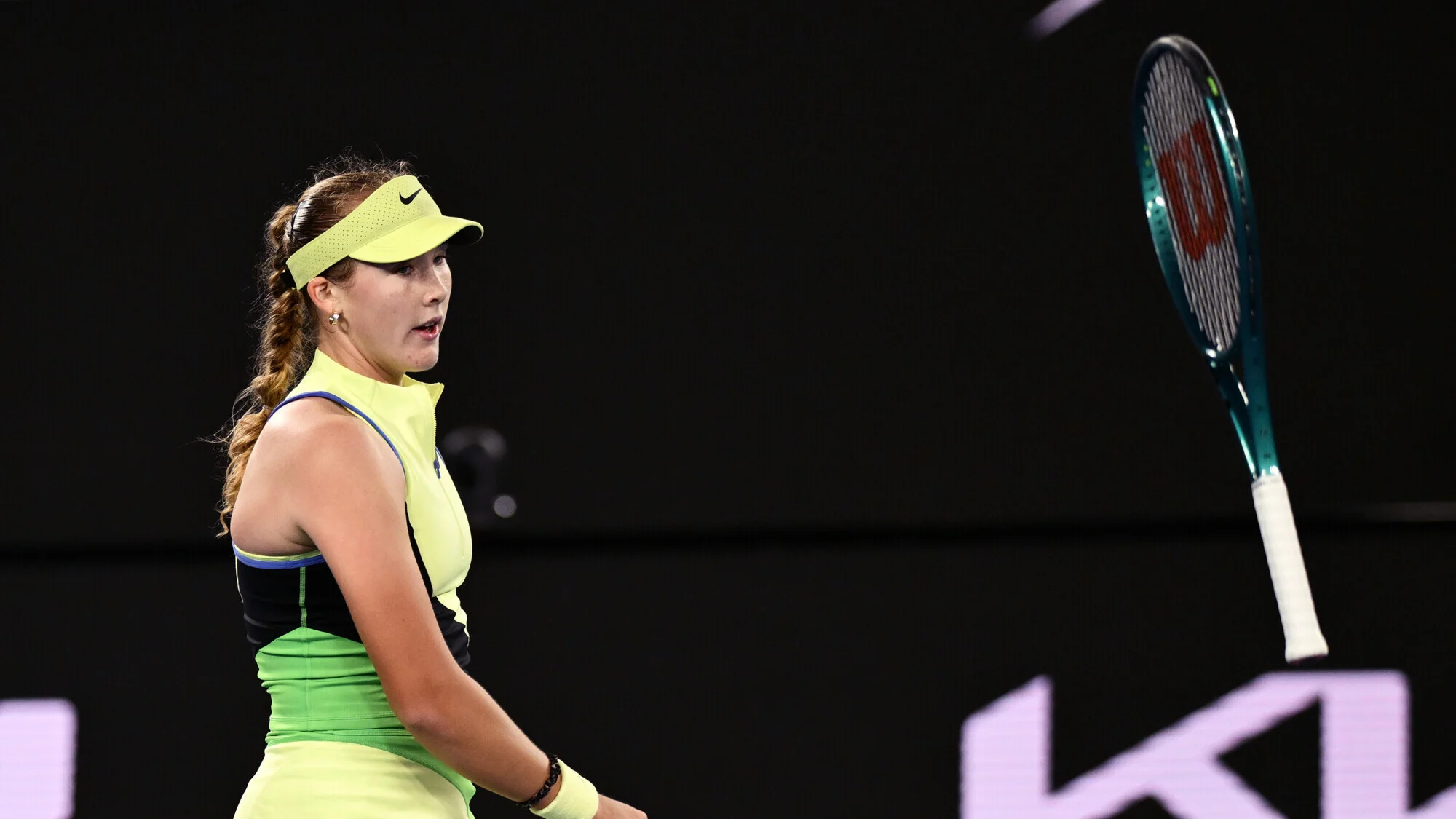
Left-handed tennis advantage on serve
The most visible benefit is the serve out wide in the ad court. Against a right-hander, that ball drags the return far off the court and opens a simple next shot. Even if the lefty is not a huge ace machine, the pattern creates short points and easy holds—exactly the type of scoring swing fantasy platforms love.
When you scout a lefty, check two things: where they aim on big points, and how often they get a short reply. If the opponent’s backhand return floats, the left-hander can rack up “plus-one” winners without taking reckless risks.
Backhand return weakness under pressure
Now flip the script. Left-handers also get to return from angles that bother right-handed servers, especially if the server relies on a slice wide serve. Many players practice thousands of reps against right-handed patterns and only a few against left-handed ones. Under stress, the return position becomes wrong by a half step—and that is enough.
Here are two practical signals that a matchup is favorable:
- the right-hander hits more double faults when pulled wide,
- the right-hander avoids the backhand return and chips defensively.
Forehand crosscourt matchup tactic
Rallies also tilt. A typical baseline exchange is crosscourt to the backhand. Versus a lefty, that “safe” direction can turn into a forehand-to-forehand battle, and some right-handers dislike it. The lefty’s crosscourt forehand naturally targets the opponent’s forehand, forcing them to attack or defend outside their usual comfort.
Practice scarcity against left-handers
Why does the edge show up so often? Because the calendar itself creates it. In many tournaments, a player may go weeks without facing a lefty. When it finally happens, the first set becomes an on-court learning session: small footwork mistakes, mistimed returns, and late swings on the wide serve. If your fantasy scoring rewards early breaks or total return points, that “adjustment tax” can pay you.
| Situation | Common outcome | Fantasy hint |
|---|---|---|
| Right-hander faces lefty for first time this season | Slow adjustment to angles | Higher upset and break probability |
| Lefty with reliable first serve | Shorter service games | Stable floor for favorites |
| Two left-handers play | Angles “normalize” | Edge shrinks; focus on form |
Fantasy pricing inefficiency for left-handers
Because left-handers are a smaller group, their impact is often priced inconsistently. Sometimes they are overvalued because people remember the “weird angles” narrative. Other times they are undervalued because projections lean on season averages and ignore opponent discomfort. The sweet spot is picking lefties who are technically solid but not famous—players who win by repeating patterns, not by miracles.
Step-by-step: use the matchup without forcing it
- Confirm the opponent is right-handed and struggles on the return wing that will be attacked.
- Check recent match notes for “wide serve + open court” points (even short highlights work).
- Avoid stacking the same thesis on every pick; use one lefty as leverage, not a full identity.
- If you need a tiebreaker, choose the player with calmer second-serve patterns.
Author’s opinion: The lefty angle is real, but it is not magic. I treat it as a small edge that helps me break ties between similar players. When you apply it lightly—one smart pick instead of a whole lineup theme—it quietly raises your consistency without turning your strategy into a cliché.